Toledo and nearby Lucas County, Ohio
Toledo Foundation Repair on the Old Black Swamp
Foundation repair in Toledo starts with the ground. The city sits on the flat bed of an ancient lake, where clay soils hold water close to the surface for much of the year and swell when wet. Add basements that are often close to a century old, and walls that bulge, crack and seep are a familiar sight. This site explains the fixes with Ohio's code, federal soil data and named price guides, then hands your request to one independent local specialist.
Nearly a third of Toledo's homes date from 1939 or earlier (U.S. Census), and the USDA rates 75% of Lucas County's soils very limited for basements. This Old House (2026) puts most foundation repairs at $2,224–$8,134, from $250 to fill a crack to $20,000 or more to lift a house.
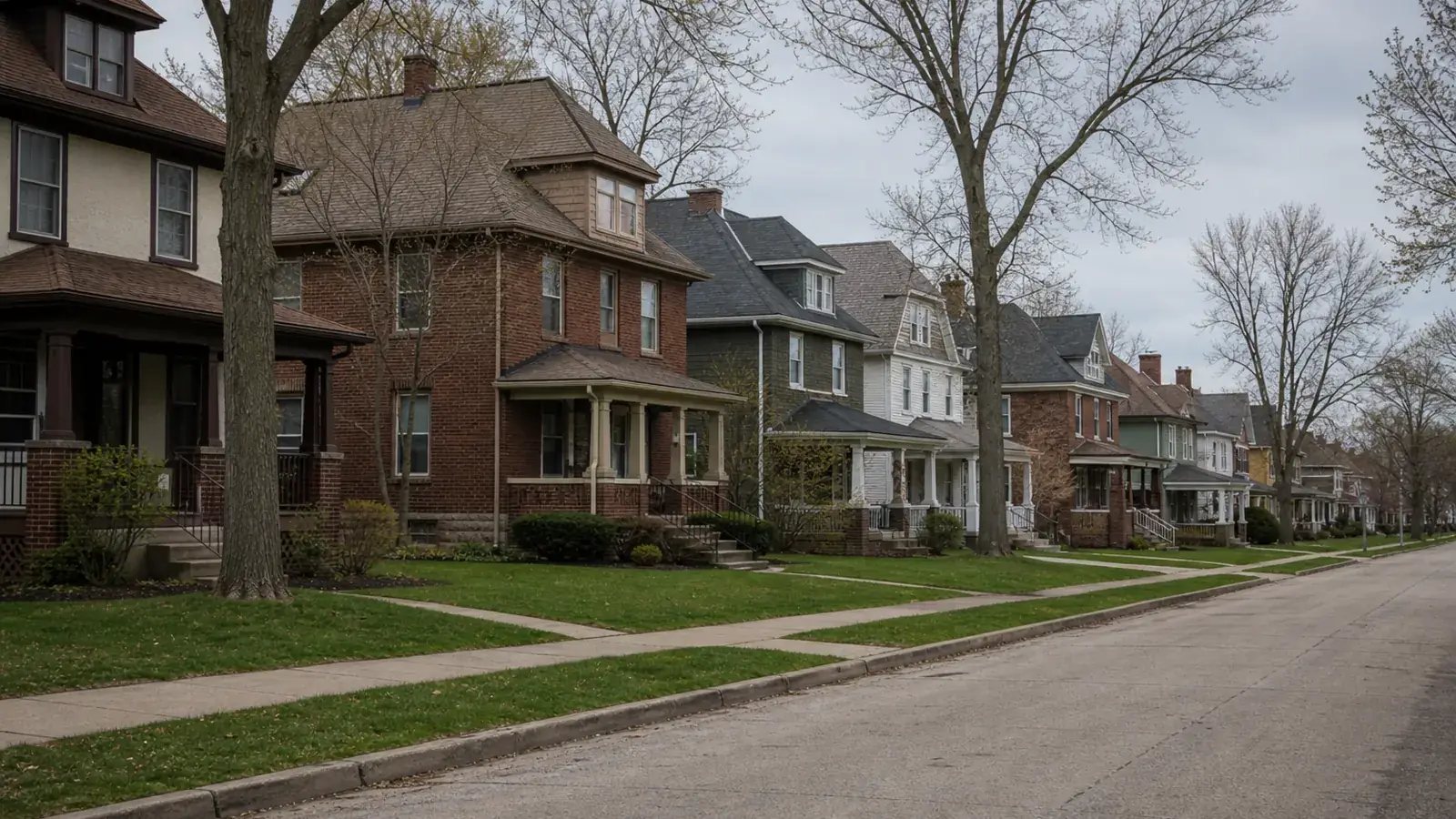
What lies under a Toledo basement?
Mostly lake-plain soil that drains poorly. The Library of Congress describes the Great Black Swamp as a large wetland across much of northwest Ohio that drained through the Maumee River into Lake Erie, and it was ditched and tiled dry over the late 1800s and early 1900s. The soils it left are still wet underneath. USDA descriptions of Toledo, Latty and Hoytville soils, all common in Lucas County, describe very poorly drained clay with water at or near the surface in winter and spring. Across the county the soil survey rates three quarters of the acreage very limited for houses with basements and only about 1% not limited.
Which Toledo foundation repair matches the problem?
- Block or brick wall bulging in, or a long sideways crack: bowing basement walls.
- Water across the floor or seeping at the base of the walls: basement waterproofing.
- A corner dropping, sloping floors, or an old foundation losing mortar: settling and aging foundations.
- Not sure whether it is water or movement: water or movement?
Toledo foundation and basement repairs
- Bowing basement wallsWhy lake-plain clay pushes old block and brick walls inward, and how braces, anchors, tiebacks and rebuilding compare.
- Basement waterproofingGroundwater on a flat lake plain, what Ohio's code expects, and when an interior drain and sump beat digging outside.
- Settling and aging foundationsDropping corners, sloping floors and old block, brick or stone that sheds mortar, and how piers, underpinning and masonry repair fit.
- Foundation repair cost in ToledoThis Old House and HomeGuide ranges with their dates, from crack filling to wall bracing and full waterproofing, and what raises a Toledo bid.
Swamp soils, warning signs and Ohio rules
- Toledo's soils: the old Black SwampLake-plain clay, sandy beach ridges, a high water table and how Lucas County soils rate for basements, from USDA and Library of Congress records.
- Water or movement? Reading the signsEach sign sorted into water problems and structural movement, answered first, with the page that covers it.
- Hiring and selling: Toledo and Ohio rulesToledo contractor licensing and permits, Ohio's foundation drainage code and what the seller disclosure form asks.
Clay that swells, a water table that sits high
Two forces act on a Toledo wall. Water first: the USDA puts the water table for Toledo-series clay between a foot above and a foot below the surface from November to May in normal years. Swelling second: shrink-swell is a limiting factor on about half of Lucas County's rated soil acreage. Wet clay presses on a wall, dry summers open gaps beside it, and frost works the top few feet each winter; NOAA's 1991-2020 normals for Toledo Express Airport average about 123 nights a year at or below freezing and 37.4 inches of snow.
A city of older basements
The U.S. Census counts 132,728 housing units in Toledo, with a median year built of 1955. About 31% went up in 1939 or earlier, and another 27% between 1940 and 1959; only 6% date from 2000 or later. Many older basements are block, brick or stone, laid before modern drain tile and dampproofing were routine. In those houses a repair often means fixing the wall and the water at once.
How this site handles a request
Toledo Foundation HQ is a reference and referral site. It has no repair crews, inspectors or engineers, and nobody from the site visits homes. Each request goes to one independent foundation and waterproofing specialist who works in Toledo and nearby Lucas County, and that specialist pays a fee to the site for referrals. Sending a request is free, and you are welcome to collect other bids.
Questions homeowners ask
Why do so many Toledo basements take on water?
Because the ground holds it. Toledo sits on a drained lake bed where clay soils keep water near the surface from late fall into spring, according to USDA soil descriptions, and many basements predate modern drain tile. When the water table rises, water finds the joint between floor and wall, cracks, and old mortar.
Is a bulging block wall in an old Toledo house dangerous?
It can become so. A wall pushed inward by wet, swelling clay usually moves slowly, but it does not move back by itself, and a wall that is leaning noticeably or has shifted blocks needs bracing soon. Measure it now and have a specialist look before the next wet season.
Who contacts me after I send the form?
One independent foundation and waterproofing specialist who serves Toledo, not a call center and not several companies at once. They reach out about the house and arrange a visit only if you ask for one. Some companies charge for that visit and some do not, so ask at the start.
Describe the basement problem
Water on the floor after a soaking rain, a block wall bulging in, a corner of an old house dropping: a sentence or two is enough. One independent foundation and waterproofing specialist who works in Toledo reads it.